Navigating Oktoberfest Costs: What to Expect!
People budget for the beer and the chicken, then wonder why their card is smoking by Tuesday. The sneaky part of oktoberfest costs is not the headline price of a Maß, it’s all the “small” stuff that stacks up fast: deposits, tips, cash-only moments, and those irresistible rides and souvenirs on the way back out.
Last updated May 2026. Prices reflect the 2025 Oktoberfest and Frühlingsfest seasons; expect ~3–5% annual creep.
Start with the big-ticket oktoberfest costs (so the rest can’t surprise you)
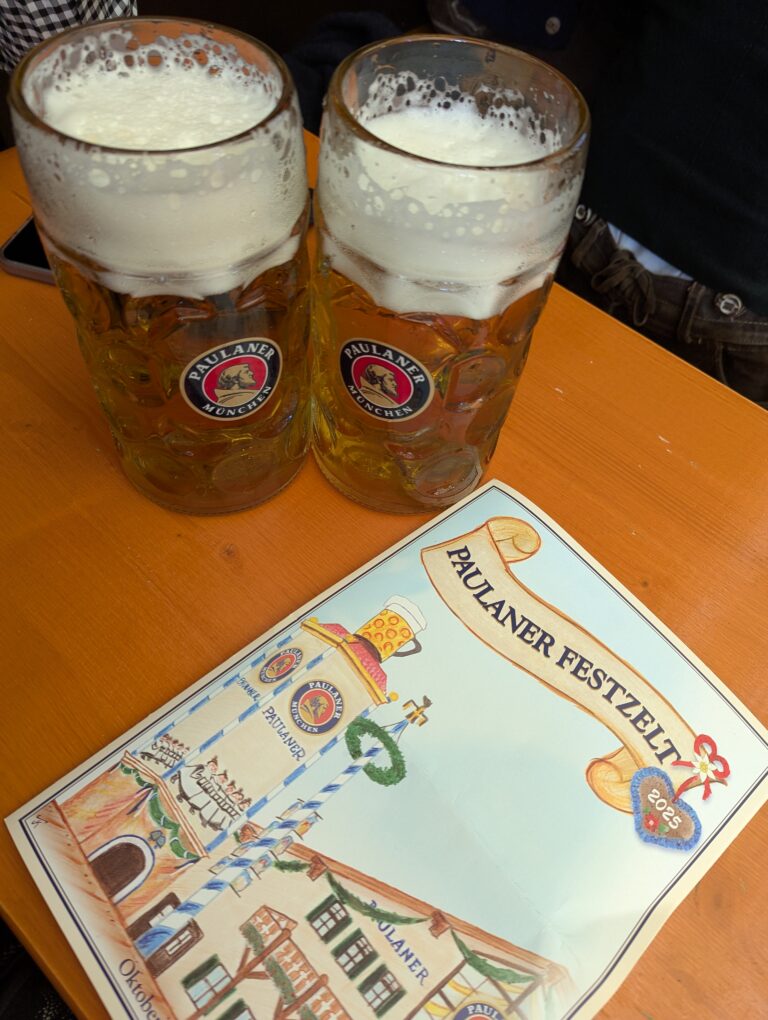
Before we hunt the hidden extras, lock in the “core” numbers. For the 2025 season, most main tents were roughly in this band: €14.50–€16.50 for a beer Maß, €14–€20 for a Hendl, and €6–€9 for a Brezn. That’s the baseline. If your budget ignores the baseline, everything else feels like robbery.
Beer, wine, and the “one Maß turns into three” reality
Count honestly. Most visitors don’t drink “one” Maß, they drink two or three over a long sit, plus a water or Spezi. If you’re in a loud tent like Hofbräu-Festzelt, pace goes out the window once the standing area is buzzing. If you want a calmer, slower table with that classic Munich feel, Augustiner-Festhalle tends to keep it more gemütlich, and yes, you still pay Wiesn prices.
Also: wine and bubbly can be the stealth upgrade. In Weinzelt you’re not “saving” money, you’re changing the way it disappears. Budget for it if you plan a night there.
Food prices: the trap is ordering “snacks” like a tourist
A proper meal is often better value than nibbling your way through the day. A Hendl is filling. A couple of “small” sides and sweets is how oktoberfest costs balloon without you noticing. If you’re hungry, order real food once, then keep your hands off the snack stands for an hour. Your wallet will thank you.
Hidden oktoberfest costs inside the tents (this is where budgets go to die)
The deposit game: mugs, glass, and those “cute” souvenir cups
In the main beer tents, you don’t typically pay a deposit for the classic beer Maß you drink at your table, but you will run into Pfand (deposit) the second you buy drinks in certain festival areas, souvenir cups, or smaller setups. It’s usually a couple of euros per cup, sometimes more for branded mugs. It’s not evil, it’s just annoying when you’re paying cash and didn’t plan for it.
Practical move: if you’re buying any “takeaway” drink, ask “Mit Pfand?” once, then you understand the system. Decide right away if you’ll return it. If not, accept you’re paying for a souvenir you didn’t want.
Tips: the quiet expectation that adds up fast
Service runs on speed and relationships. Tipping isn’t optional if you want good service, especially in packed evenings. For a beer, many locals round up: think €1 per Maß as a simple rule of thumb when you’re paying per drink. If you settle a larger bill, 5–10% is a normal range depending on service.
If you try to be exact to the cent all night, you’ll feel the temperature drop. Keep it smooth: “Stimmt so” (keep the change) is your friend when paying cash.
Card vs cash: the ATM fee and “cash-only surprise” combo
Some tents and stands take card now, but do not plan your Oktoberfest day like a contactless city trip. It only takes one “Nur bar” (cash only) moment when you’re thirsty. Then you’re at an ATM paying fees and accepting a poor exchange rate if your bank is stingy.
My practical number: arrive with at least €150–€250 cash per person per day if you’re doing tents, rides, and a full meal, more if you’re a bigger drinker. It sounds like a lot until you remember oktoberfest costs are basically “many small punches” over 8–12 hours.
Reservations, vouchers, and how oktoberfest costs hide in “good planning”
Reservations can be brilliant, but they are rarely “free.” Most main tents require you to buy voucher packages: beer and food vouchers tied to a table booking. You’re prepaying your consumption, not paying an entry fee. Still, it changes cash flow and creates waste if your group doesn’t show up hungry.
If you’re planning ahead, use live tent availability to see what’s actually open and what’s already locked up by groups. It saves you from chasing dead ends and accidentally “overpaying” by settling for the wrong day or time.
Voucher packages: great if you arrive on time, awful if you drift in late
Here’s the hidden cost: missing your timeslot or arriving with half your group. Vouchers are usually valid, but the best seats and the service rhythm are not. If you book something like Paulaner Festzelt (Winzerer Fähndl), show up early, order fast, and get settled before the tent hits its peak.
And if you’re the “we’ll just wander in” type, fine. Just accept that wandering can mean more beer garden drinks, more snack stands, and more spontaneous splurges. That’s also oktoberfest costs, just disguised as freedom.
Small-tent pricing: sometimes better value, sometimes a premium for charm
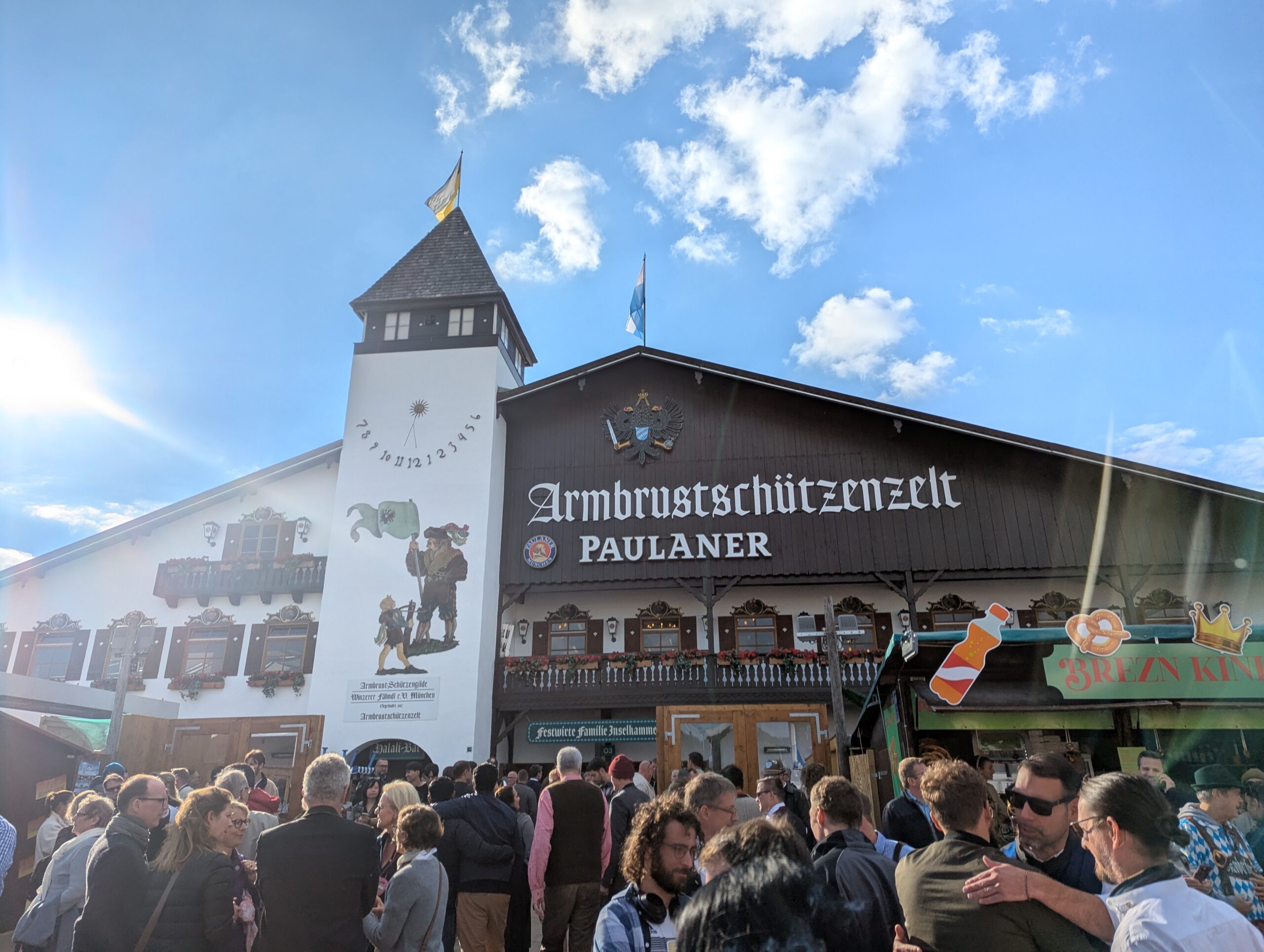
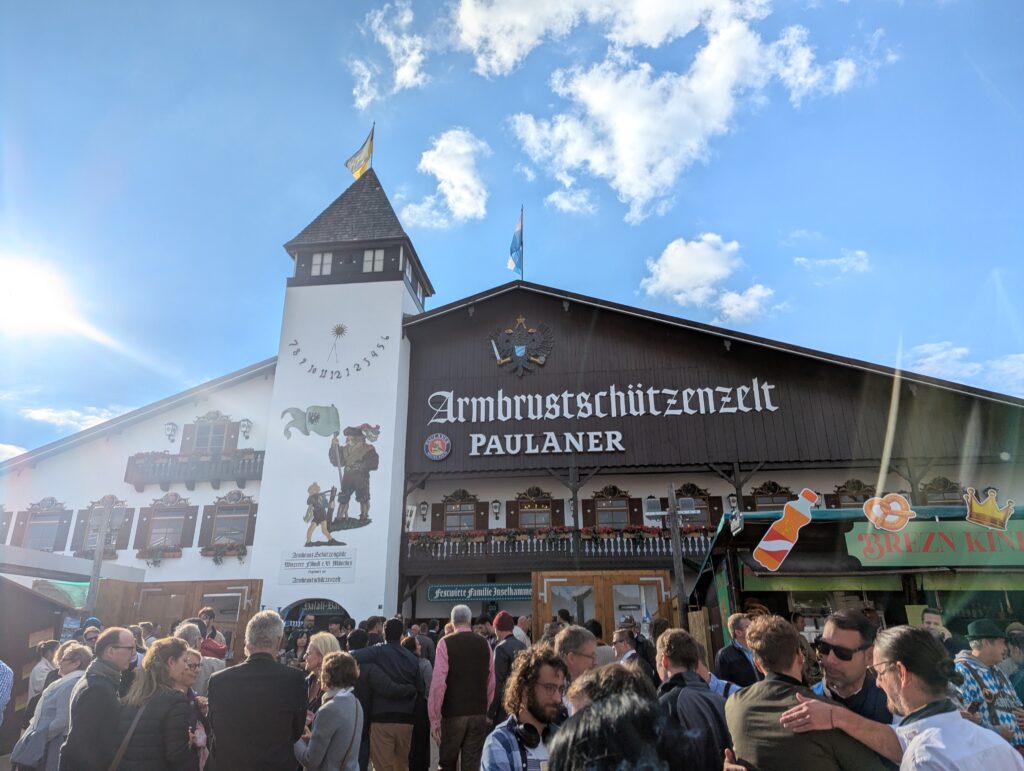
Smaller tents can be a budget win if you’re not chasing the biggest party, but don’t assume they’re “cheap.” Some are specialty experiences and price accordingly. If you want a memorable meal, Fischer-Vroni is famous for fish, and you pay for that. If you want brass-band tradition and a slightly more relaxed vibe, Armbrustschützenzelt is a classic, and you’ll still spend like it’s the Wiesn because it is the Wiesn.
The fairground side: rides, games, and the sugar tax
People forget the Wiesn is also a giant fair. Once you step outside the tent, it’s all micro-transactions. That’s why oktoberfest costs can feel slippery: you’re no longer looking at a menu, you’re reacting to smells, lights, and peer pressure.
Rides: budget a “fun fund” or skip them entirely
Typical ride prices are often in the €6–€12 range per person, with bigger attractions higher. Do two rides, play one game, buy one roasted almond bag, and you’ve quietly burned another €30–€50.
If you’re watching spending, pick one signature ride, then walk. The Wiesn is best when you’re not sprinting from purchase to purchase.
Sweets, nuts, and “Noch a Brezn” money
Roasted almonds, gingerbread hearts, candy skewers, crêpes, you name it. Each one is “only” a few euros, and suddenly you’ve spent a Maß worth of snacks. If you’re hungry, eat in the tent. If you want one sweet thing, pick the one you actually want, not three consolation prizes.
Getting there, getting home: the costs nobody plans for
Public transport is cheap, but the timing can cost you
A day ticket or group ticket with MVV is usually the smartest move, and it’s nothing compared to beer money. The “cost” is time and energy. If you leave at peak closing time, you’ll queue, get squeezed, and maybe decide a taxi is worth it. That’s how budgets break.
Taxis and rideshares: surge pricing and slow traffic
If you take a taxi late, assume it’s expensive and slow. Not because Munich drivers are villains, but because everyone has the same idea at the same time. If your accommodation is central, walking part of the way before calling a ride can save real money and frustration.
Lost & found, replacements, and “drunk logistics”
The most brutal hidden Oktoberfest cost is replacing what you lose: phone, wallet, jacket, even your dignity. Keep a cheap backup card separate, screenshot your hotel address, and don’t bring a fancy bag you’ll abandon under a bench.
Clothes and comfort: you don’t need designer Tracht, but you do need a plan
Dirndl and Lederhosen can be a joy, but they can also be the biggest non-beer line item in your whole trip. If you’re buying last-minute near the Wiesn, you’ll pay tourist convenience prices. If you’re renting, you’ll pay deposit, cleaning rules, and panic fees if you return late.
What to budget for Tracht (and what not to bother with)
Expect a decent, wearable setup to run from €100–€250+ depending on quality and whether it’s a full outfit. You can absolutely go without. What you should not skip: comfortable shoes, and a light layer for evenings. Blisters and cold make you buy overpriced emergency fixes on-site, and again, that’s oktoberfest costs in disguise.
My practical budgeting walkthrough (do this once, then enjoy the Wiesn)
Step 1: Pick your “Wiesn day type” and set a per-person cap
Choose one:
- Light day (2 beers, 1 meal, no rides): roughly €60–€90.
- Classic day (3 beers, 1 meal, snacks, 1–2 rides): roughly €120–€180.
- Big one (4+ beers, premium tent plans, rides, late night): roughly €200–€300+.
If your group can’t agree on the day type, that’s when spending gets chaotic.
Step 2: Add the “hidden” line items on purpose
Put these into your notes app before you land in Munich: tips (€5–€15/day), deposits (€0–€10/day), ATM/fees (€0–€10), rides/games (€0–€50), late-night ride home (€0–€40+). Once you name them, they stop being surprises. That’s how you control oktoberfest costs without sucking the fun out.
Step 3: Decide your tent strategy so you don’t “snack-walk” yourself broke
Pick one anchor tent per session. If you want the ceiling show, Hacker-Festzelt has that “Himmel der Bayern” vibe and a very party-forward pace. If you want the lion on the roof and a big, loud classic, Löwenbräu-Festzelt delivers. If you want steak, seafood, and the slightly more polished feel, Marstall is a solid choice.
Wandering is fun, but wandering equals snack stands, extra drinks, and impulse purchases. Plan one wander block, not the whole day.
Step 4: Use official sources for dates and rules, not random reels
For opening times, safety rules, and the official overview, use oktoberfest.de and the City of Munich page at muenchen.de. It won’t tell you where the best vibe is at 19:30, but it will save you from planning mistakes that become expensive mistakes.
And if you want to see what Hofbräu itself says about reservations and packages, the tent site is here: hb-festzelt.de.
Frequently Asked Questions
How much cash should I bring to Oktoberfest for one day?
For a classic day (3 beers, a meal, a couple extras), €150–€250 per person covers most situations, including “cash-only” stands and tips. If you’re doing rides and late-night transport, go higher.
Do I have to tip at Oktoberfest, and how much is normal?
Yes, tipping is normal, especially when you’re ordering repeatedly. A simple pattern is rounding up by about €1 per Maß, or 5–10% on a bigger table bill if service is good.
Are Oktoberfest tents more expensive on weekends than weekdays?
The menu prices are generally the same, but your “effective cost” rises on weekends because you’ll wait more, wander more, and end up buying extra snacks and drinks outside while hunting seats.
What’s the cheapest way to eat at Oktoberfest without feeling ripped off?
Skip the snack crawl and buy one filling plate inside a tent, like a Hendl, then share one Brezn instead of buying sweets every hour. Eating “properly once” usually beats grazing all day.
Do I need a reservation to get into Hofbräu-Festzelt or Augustiner-Festhalle?
No reservation is required to enter, but seats are the battle. Arrive earlier in the day for walk-in tables, and on busy evenings expect to queue and potentially split up.
Quick Summary
- Base your plan on real Wiesn prices first, then add the “hidden” stuff.
- Hidden oktoberfest costs inside tents: tips, occasional deposits, and cash-only moments.
- Reservations often mean voucher packages, so plan arrival time and appetite.
- Rides, games, and sweets are the budget killers because they’re “just a few euros.”
- Transport home late can cost more than you think, especially if you default to taxis.
- Comfort saves money: good shoes and a warm layer beat emergency purchases on-site.
About Sepp
Servus — I’m Sepp. I’m on the Theresienwiese every September for the Wiesn and every April for the Frühlingsfest. Everything here comes from actual tent hours, not a press kit. Prost.